Key Places – Albania Classic
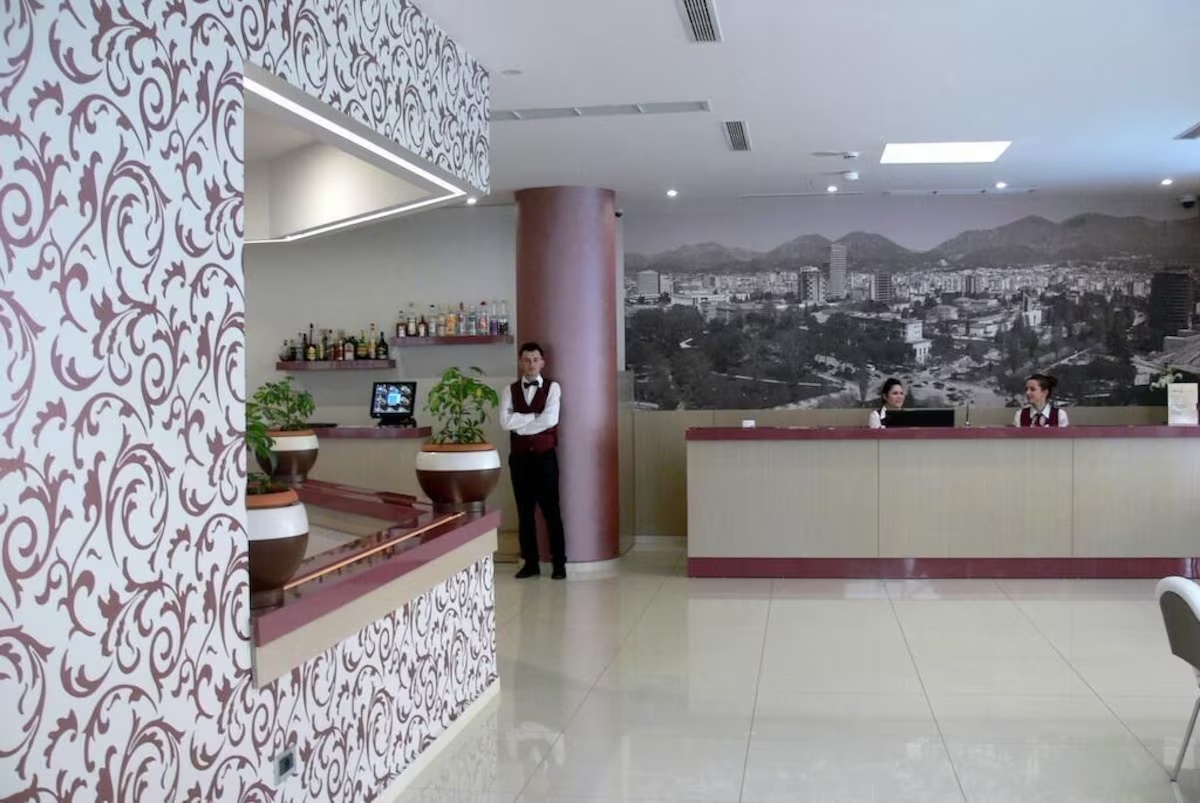
Tirana
Founded in the 17th century by a feudal lord, Tirana began as a modest settlement centred around a mosque, a bakery and a hammam, or Turkish bath. It later became Albania’s capital and is now the country’s energetic political, cultural and social heart.
For almost 50 years, Albania was one of Europe’s most isolated nations under communist rule. Today, Tirana tells that complex story through its architecture, broad boulevards, public squares and colourful street art, where Ottoman, Italian and communist-era influences sit side by side.
A third of Albania’s population now lives in the capital, and with an average age of around 30, Tirana has a youthful, forward-looking feel. English and Italian are commonly spoken as second languages, and the compact city centre is easy to explore on foot.
Highlights include Skanderbeg Square, the 1789 Et’hem Bey Mosque, the 1830 Sahat-Kulla Clock Tower, the Puppet Theatre — once home to King Zog’s parliament — and the Peace Bell, made from spent cartridge shells as a reminder of Albania’s turbulent past. For cafés, restaurants and nightlife, head to Blloku, formerly the restricted district where communist leaders lived under close protection.
For a wider view of the city and surrounding landscape, take the cable car up Mount Dajti, where panoramic views stretch across Tirana and the mountains beyond.

Farma Sotira
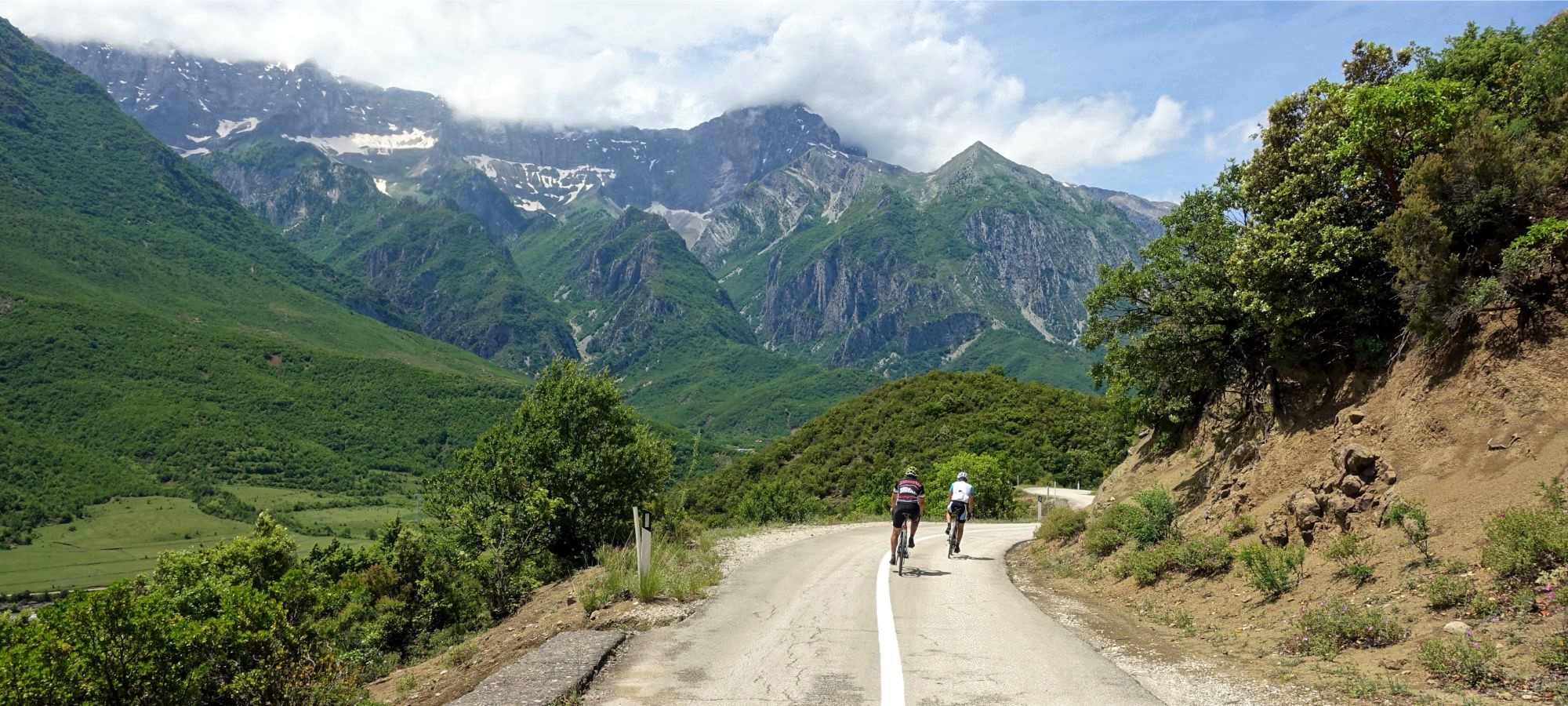
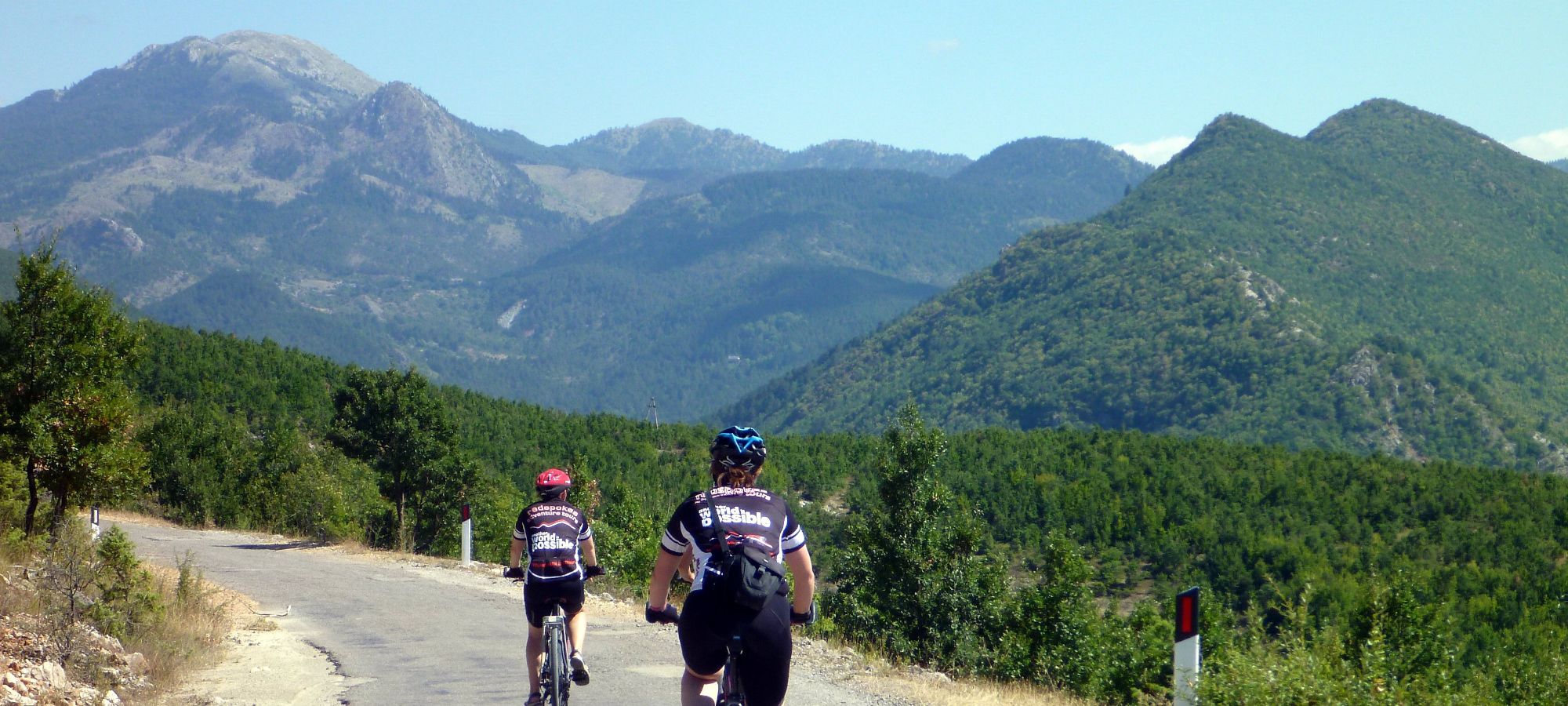
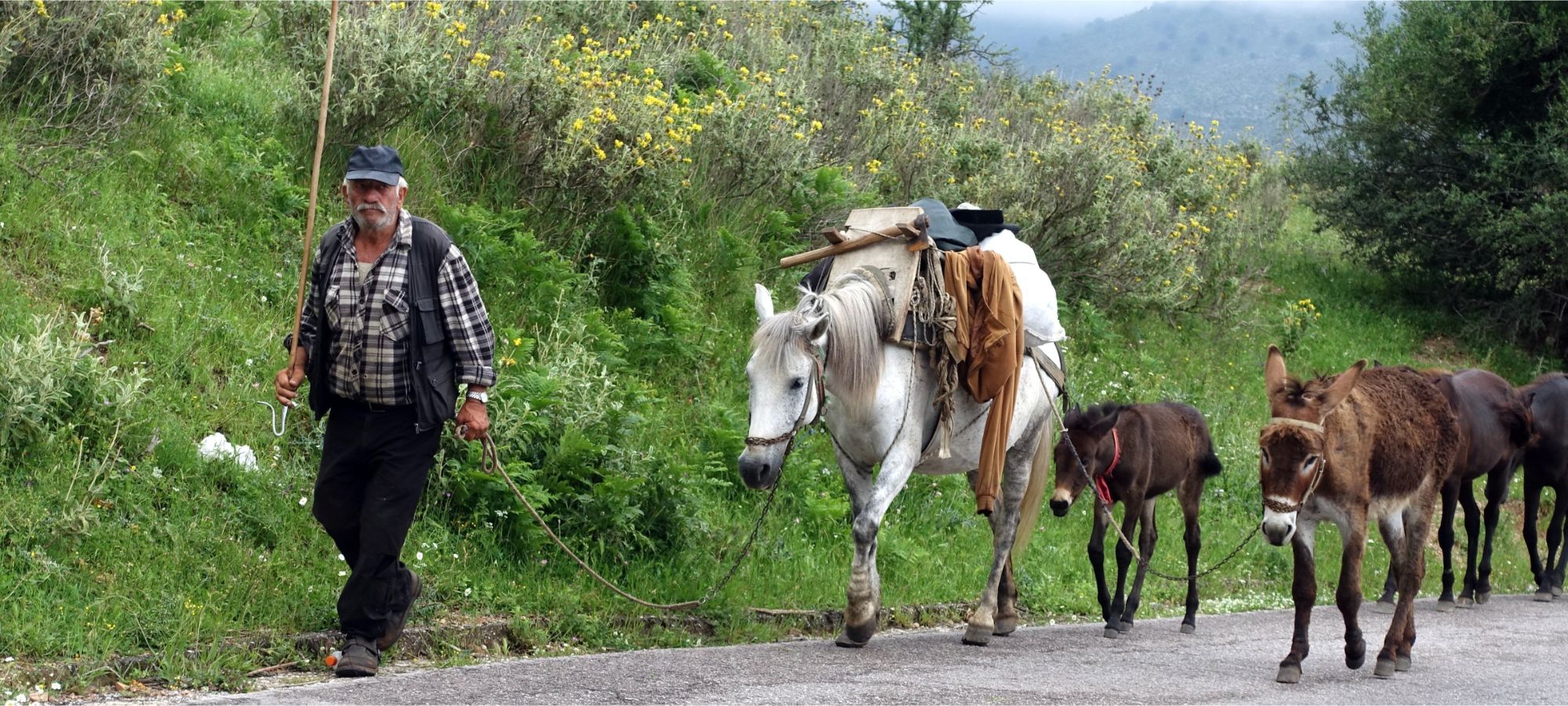
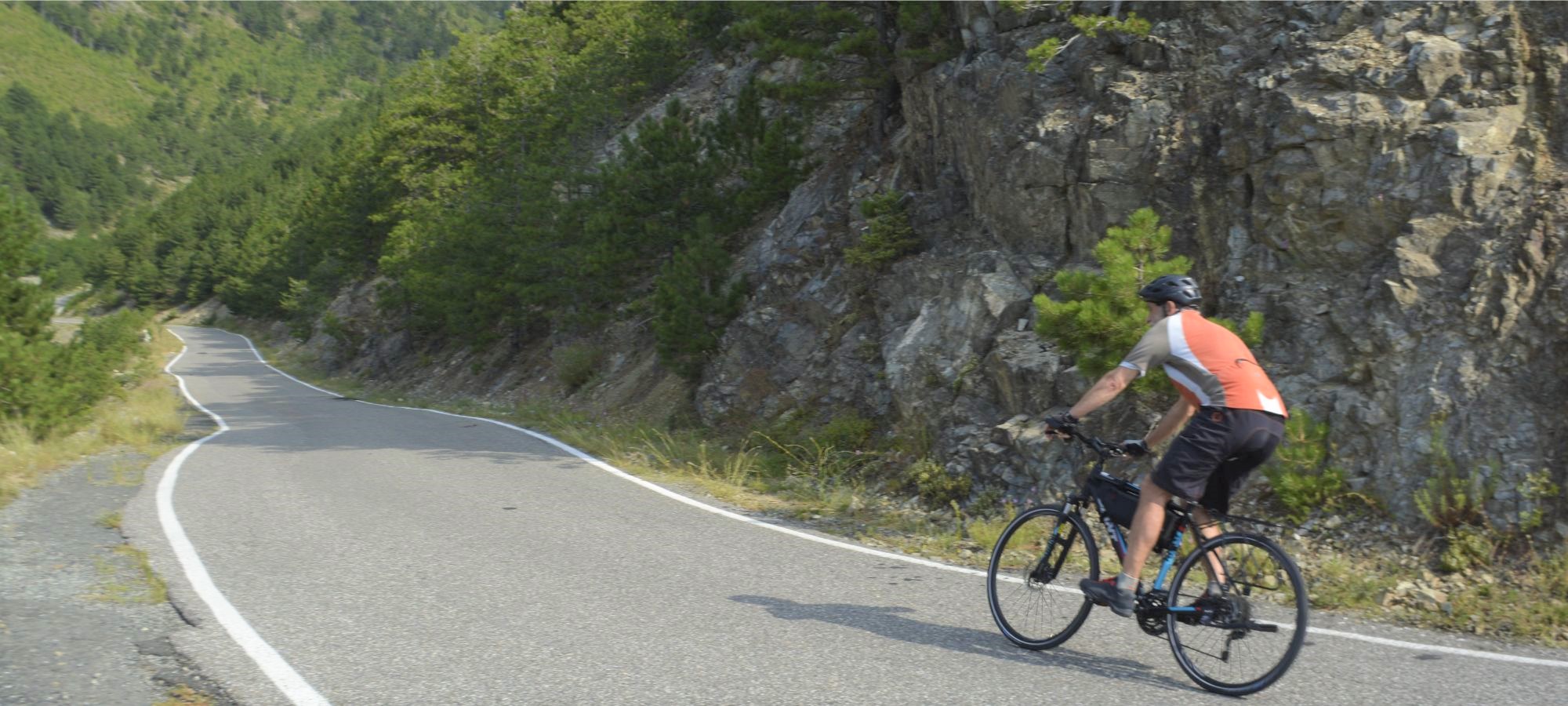
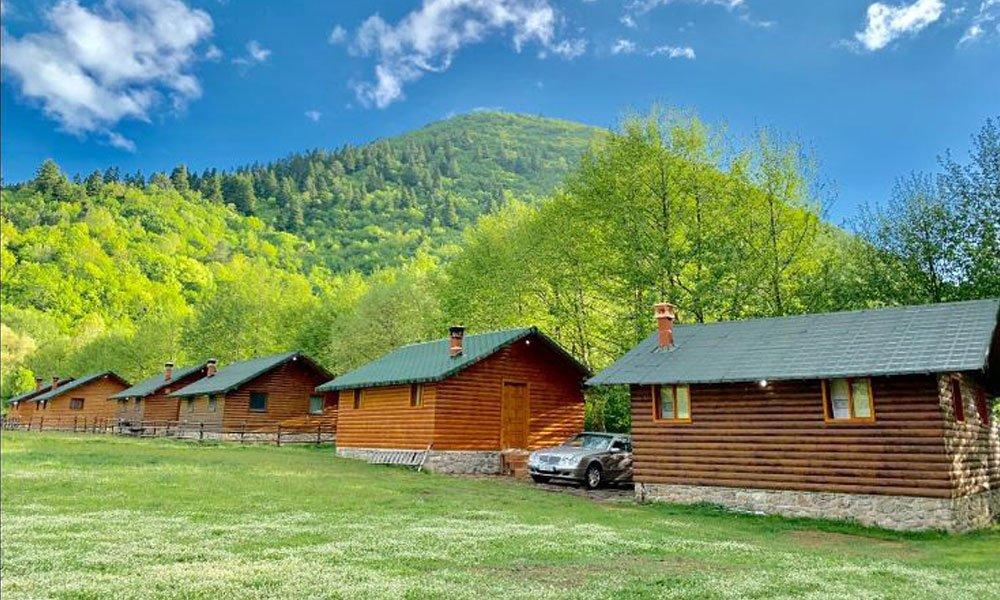
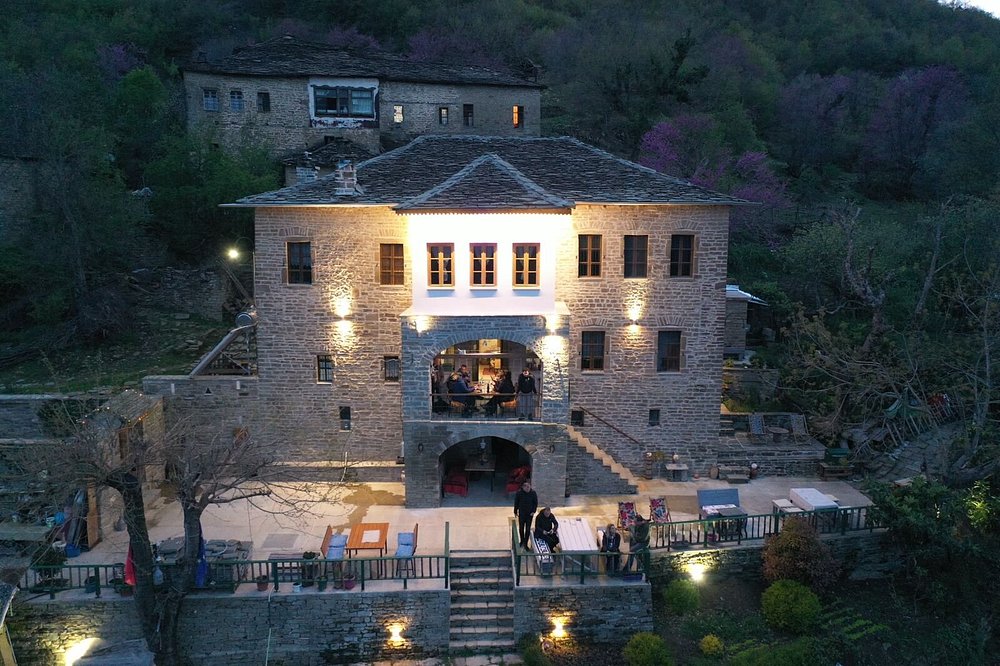
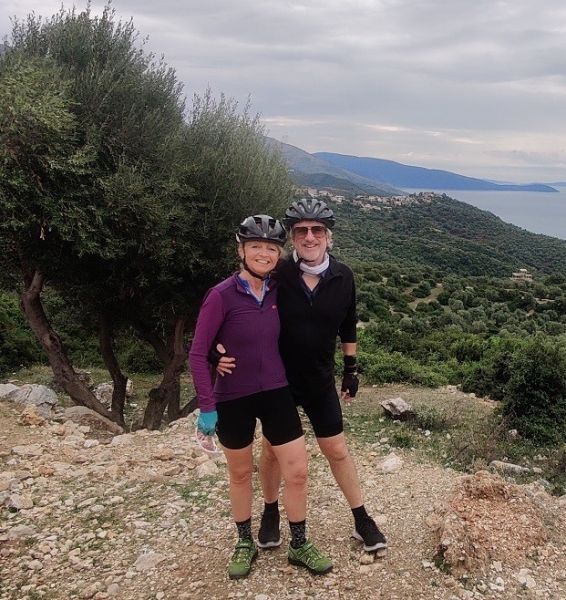
Tucked away in the mountains of south-eastern Albania, Farma Sotira offers a peaceful rural escape surrounded by forests, pastureland and fresh mountain air. Set near the Greek border, this family-run farm stay gives riders a memorable taste of Albania’s countryside, far from the busier towns and coastal resorts.
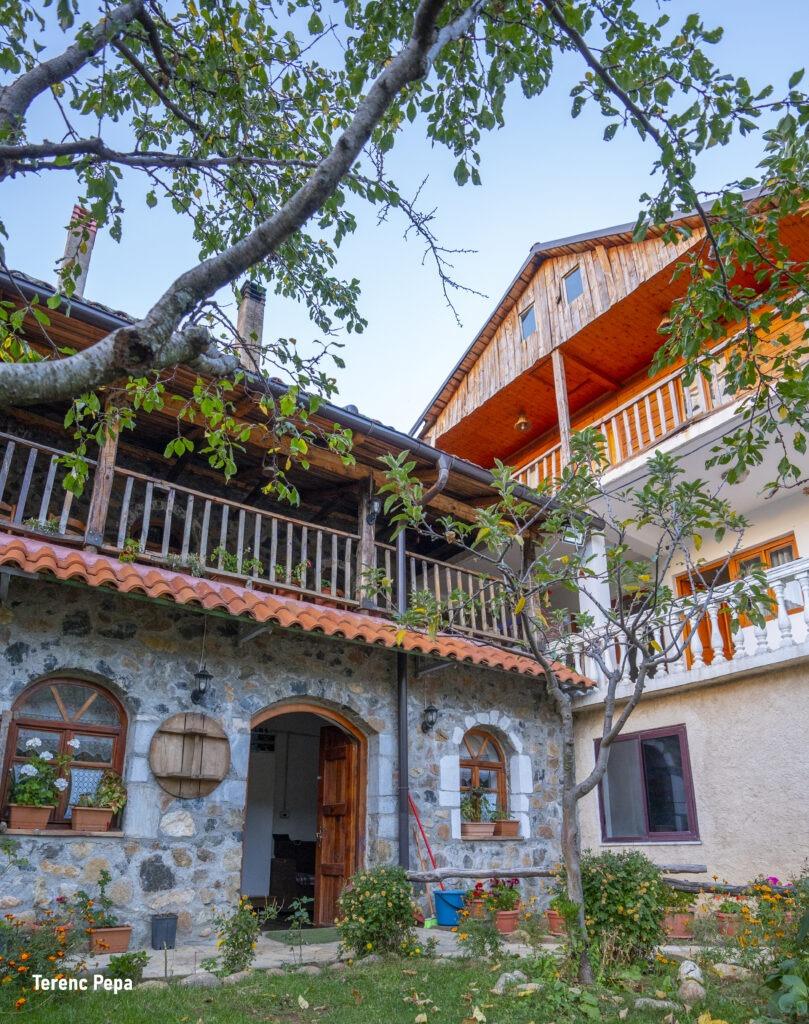
The setting is wonderfully tranquil, with simple wooden cabins, open meadows and views across the surrounding hills. It is a place to slow down after a rewarding day in the saddle, enjoy the quiet mountain landscape and experience the warmth of traditional Albanian hospitality.
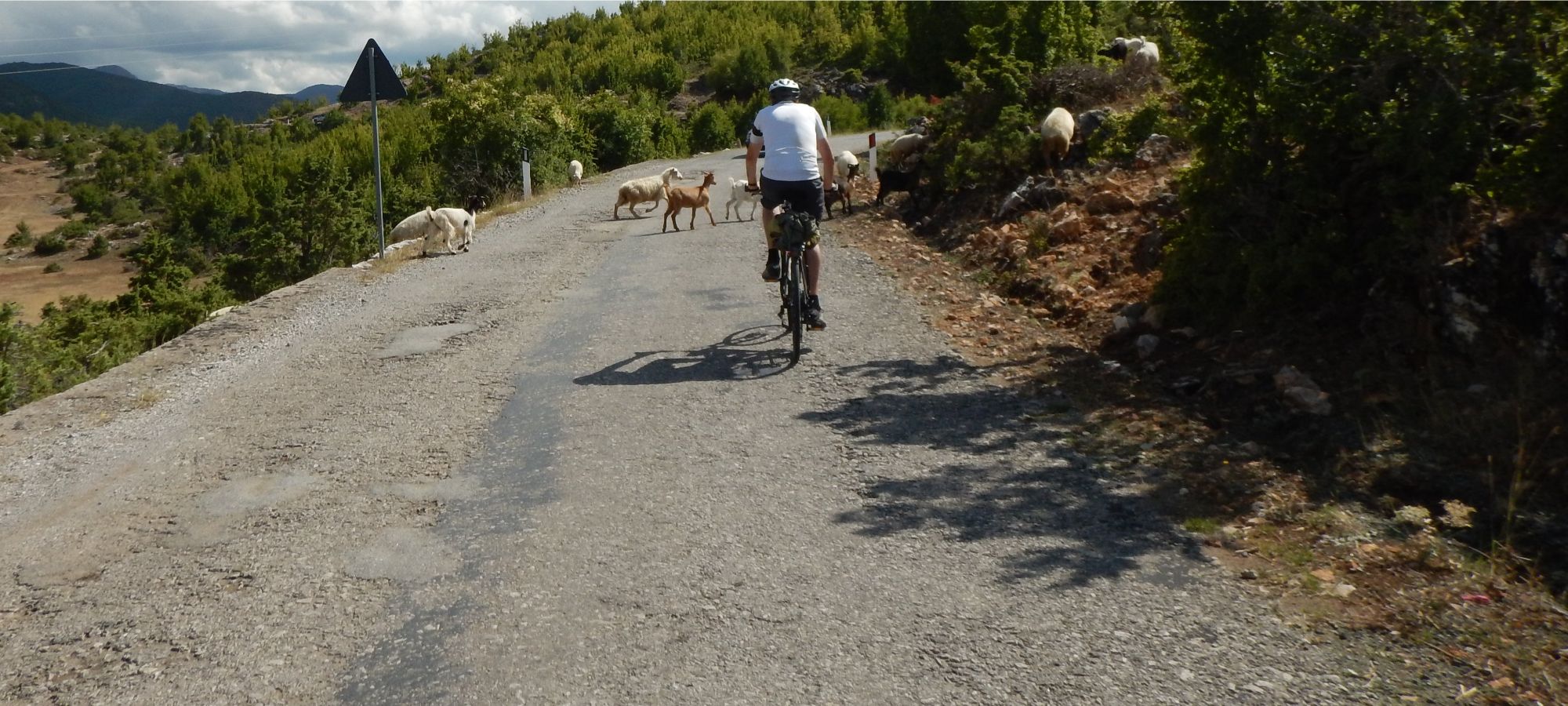
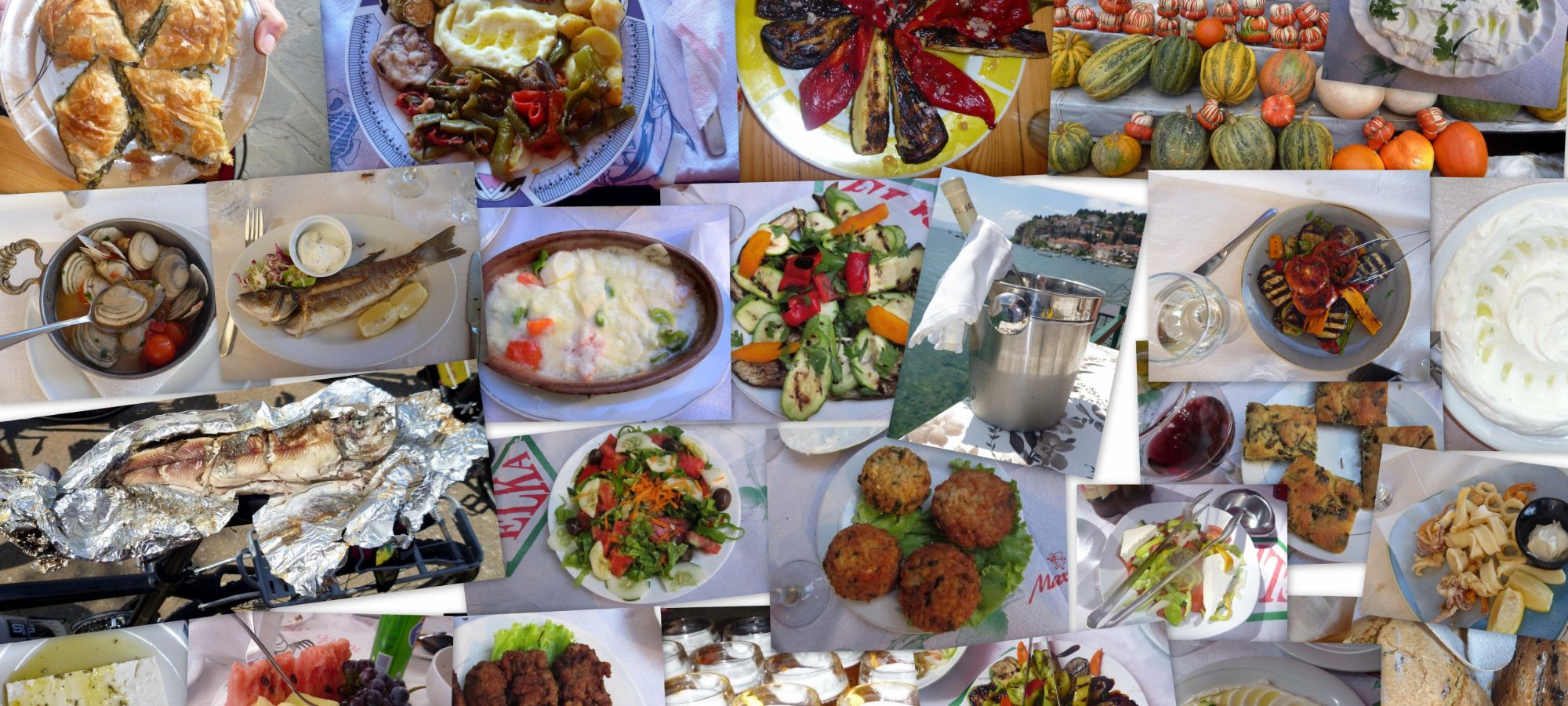
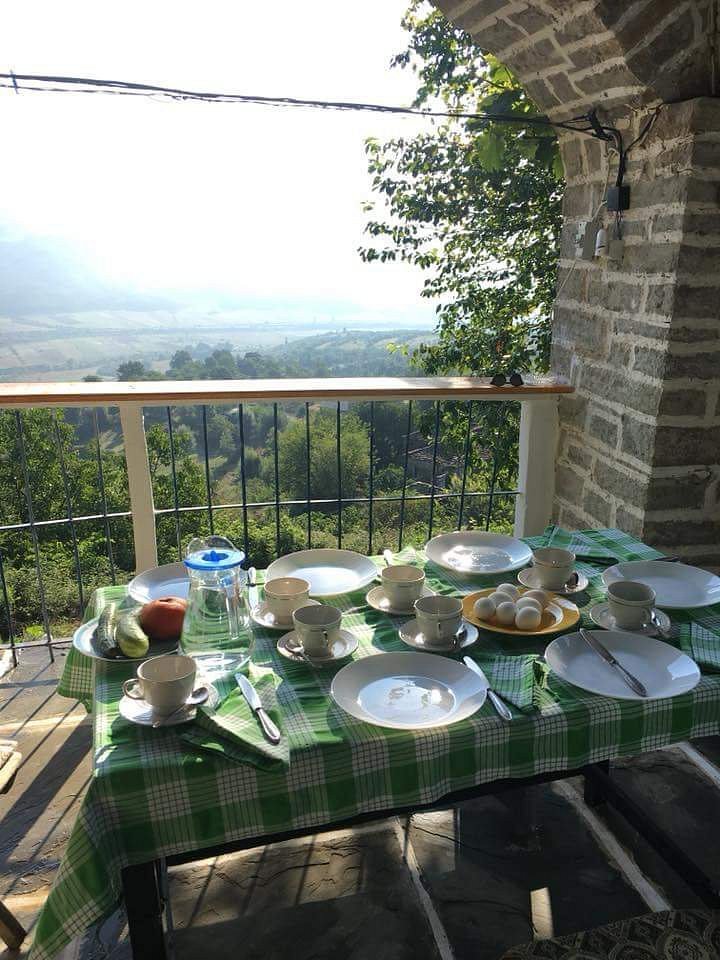
Farma Sotira is also known for its hearty home-cooked food, much of it prepared with local farm produce. After cycling through remote roads and highland scenery, this overnight stop captures one of the real pleasures of the Albania tour: discovering authentic rural places that feel well away from the usual tourist trail.
Gjirokaster
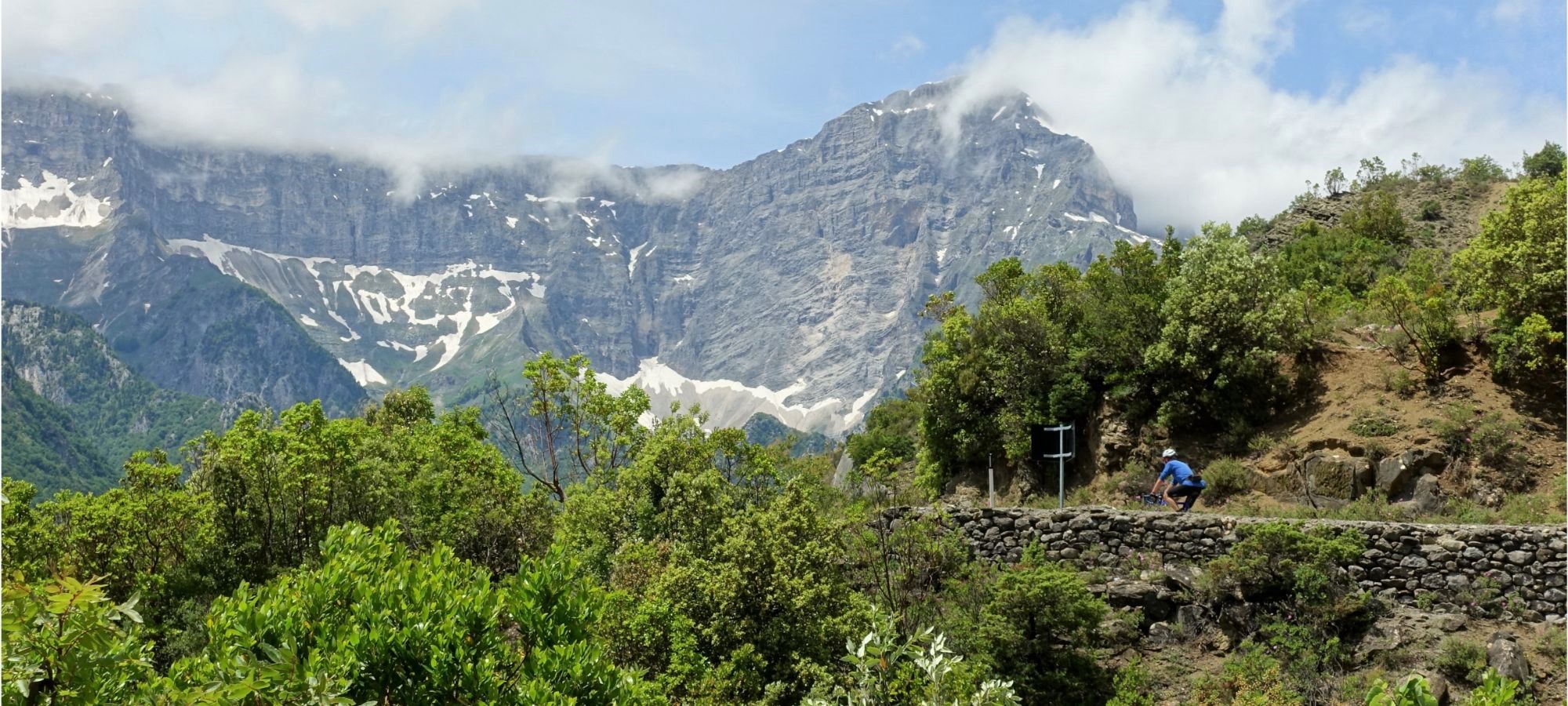
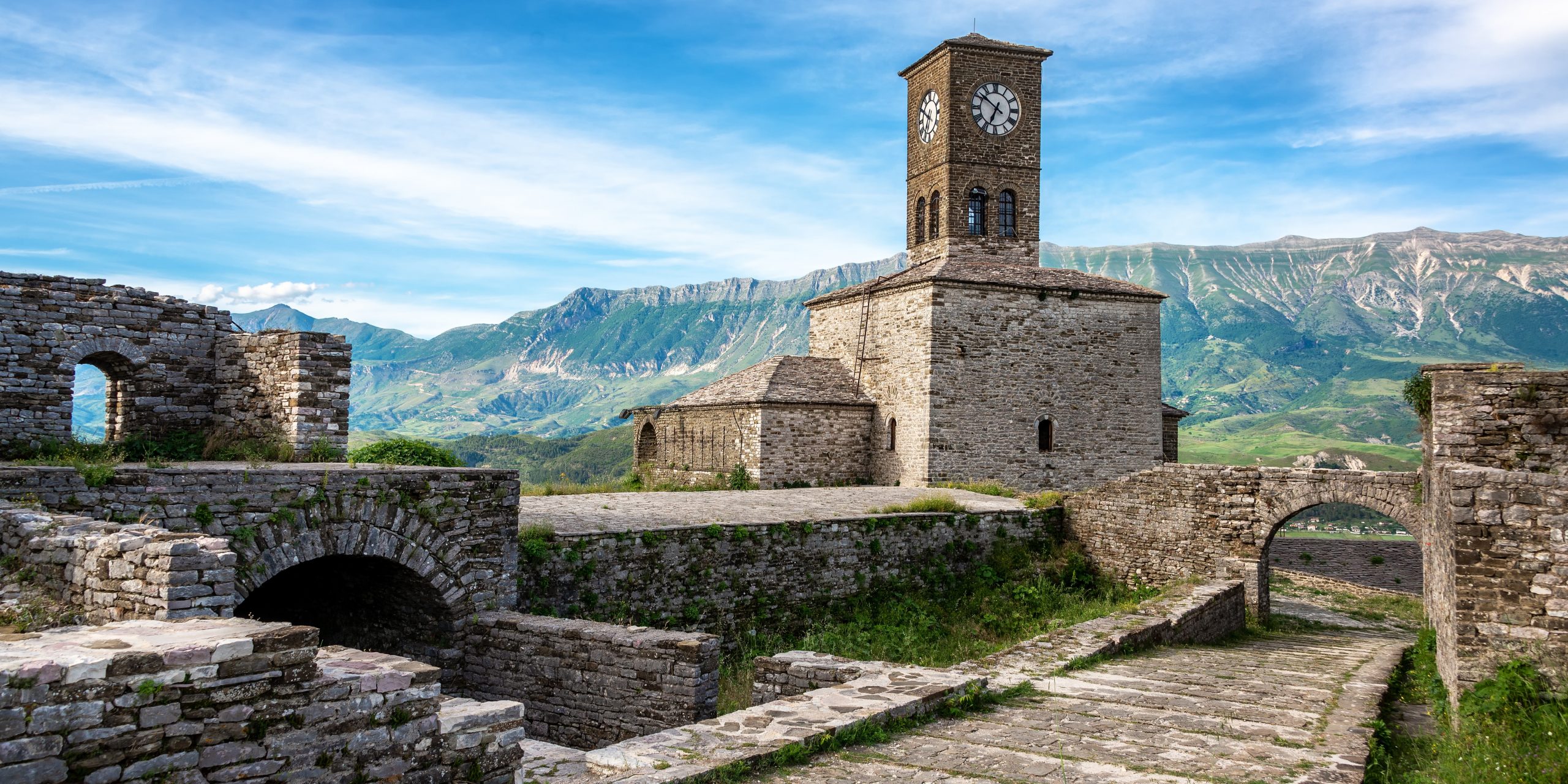
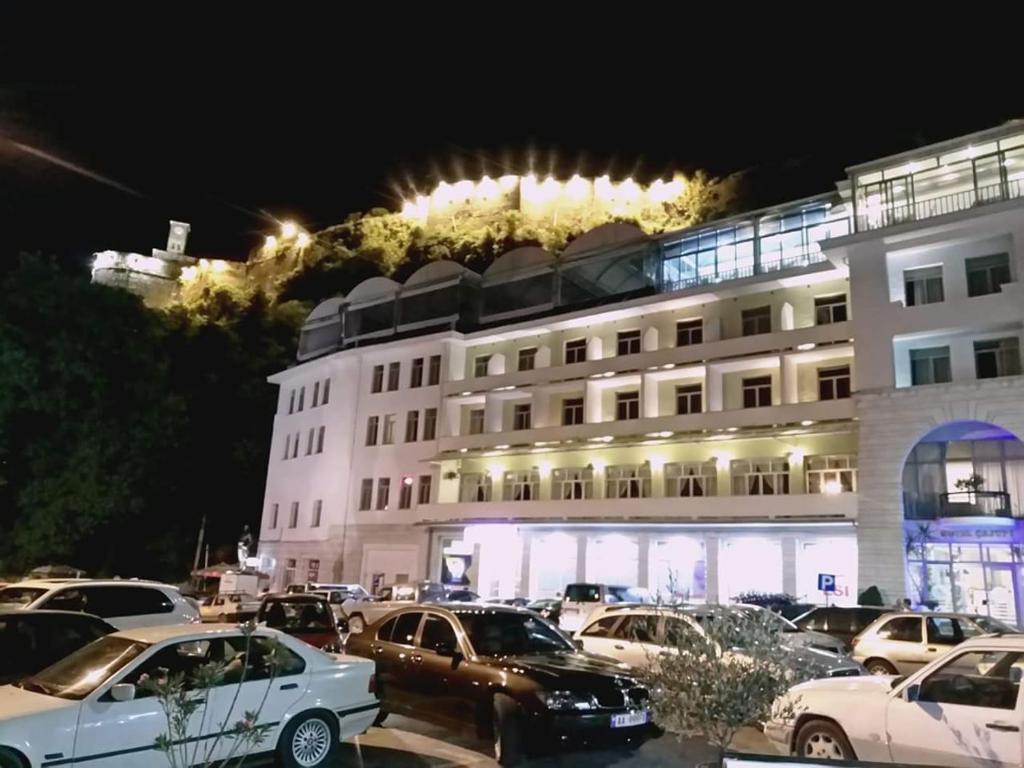
Historic Gjirokaster the ‘City of Stone’, is a well preserved Ottoman town and one of Albania’s three UNESCO World Heritage sites. Built by farmers of a large estate, it is located between the Gjerë Mountains, perched on the steep side of the Drino valley, overlooking a landscape framed by snow-capped mountains. With steep cobbled streets, the city comprises hundreds of Ottoman-style tower houses with distinctive stone roofs, wooden balconies and whitewashed stone walls. Gjirokastër is the birthplace of former Albanian communist leader Enver Hoxha and renowned writer Ismail Kadare.
Towering over the town is Gjirokastër Fortress a vast castle, the second largest in the Balkans. Within the castle is an armaments museum of mostly post-war era weapons, photographs. There are numerous other chambers, some in ruins, open to exploration. Underneath the castle is the recently discovered underground bunker built in the Cold War. There is Artisan centre located nearby where you can buy many souvenirs and traditional crafts
Also in the city are the Seven Fountains, the Mechite Mosque Remains, and the Hammams public bath, with a distinctive cone shaped roof. The Meçite Hammam is one of 10 ancient public baths preserved in Albania. The fountains and the exterior of the Hammams have been recently restored.
Sarande
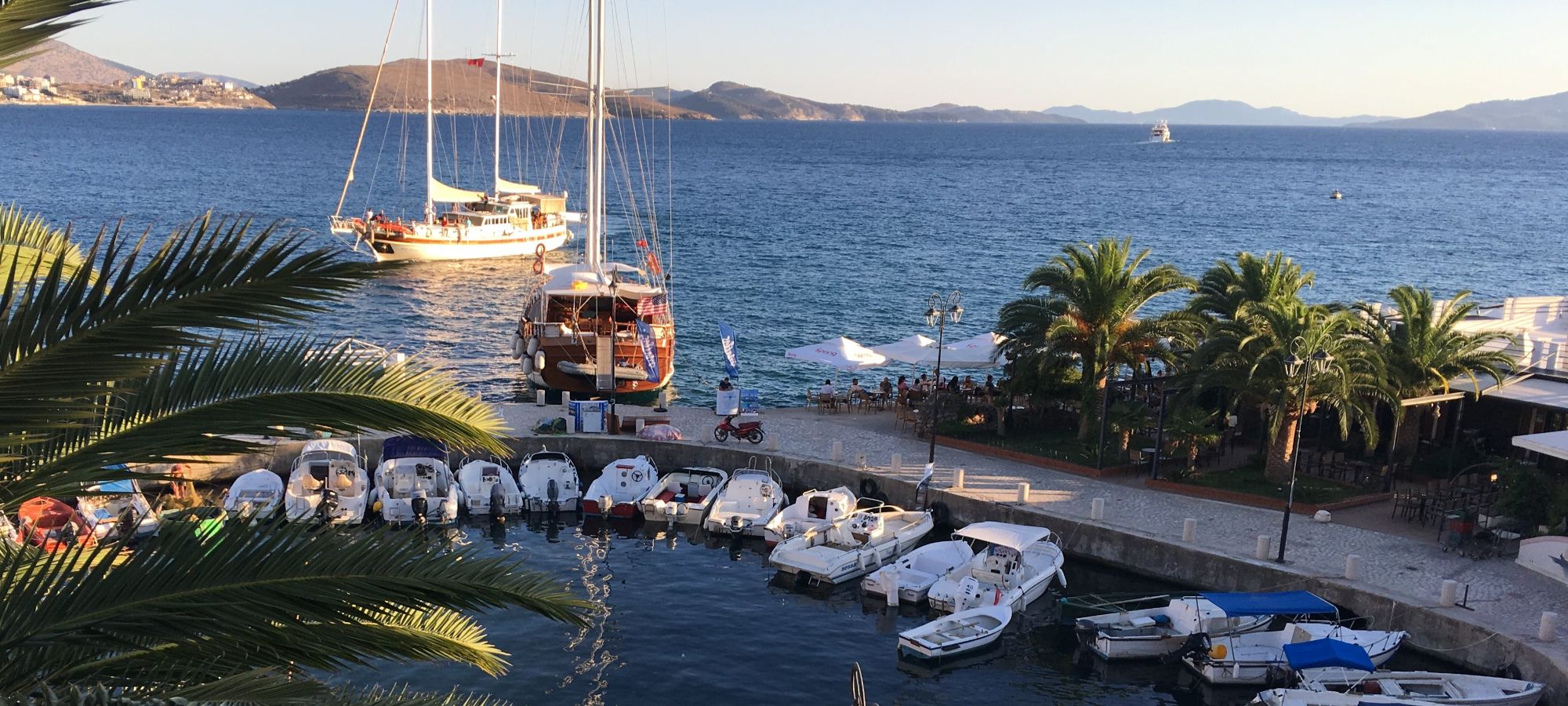
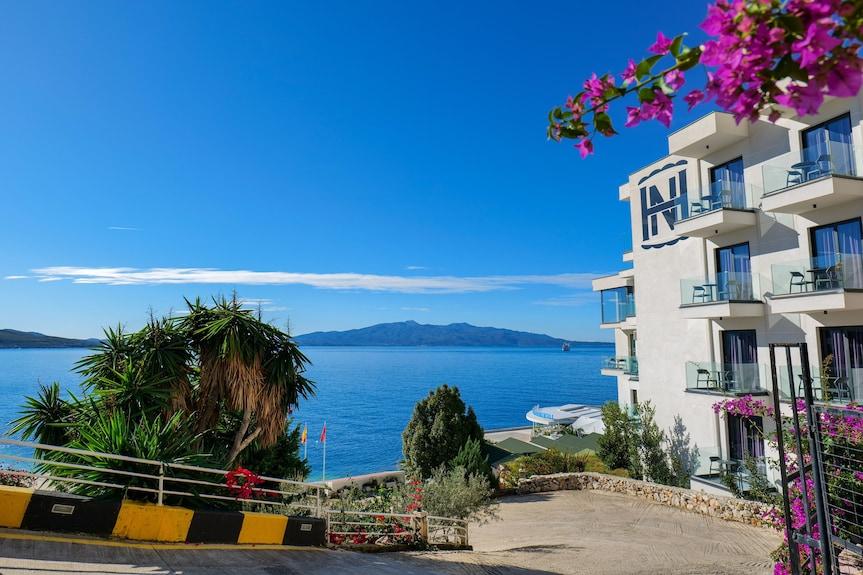
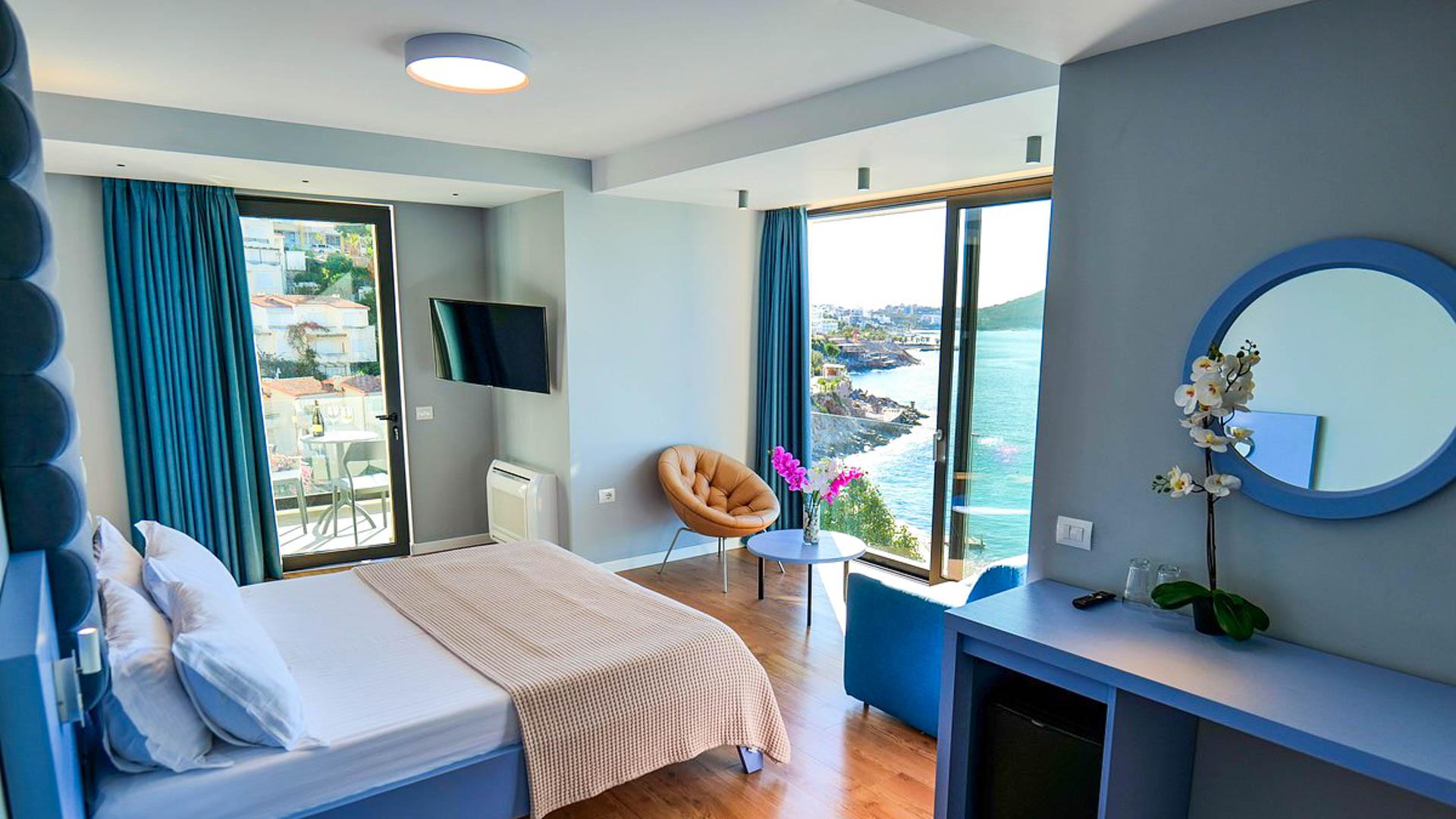
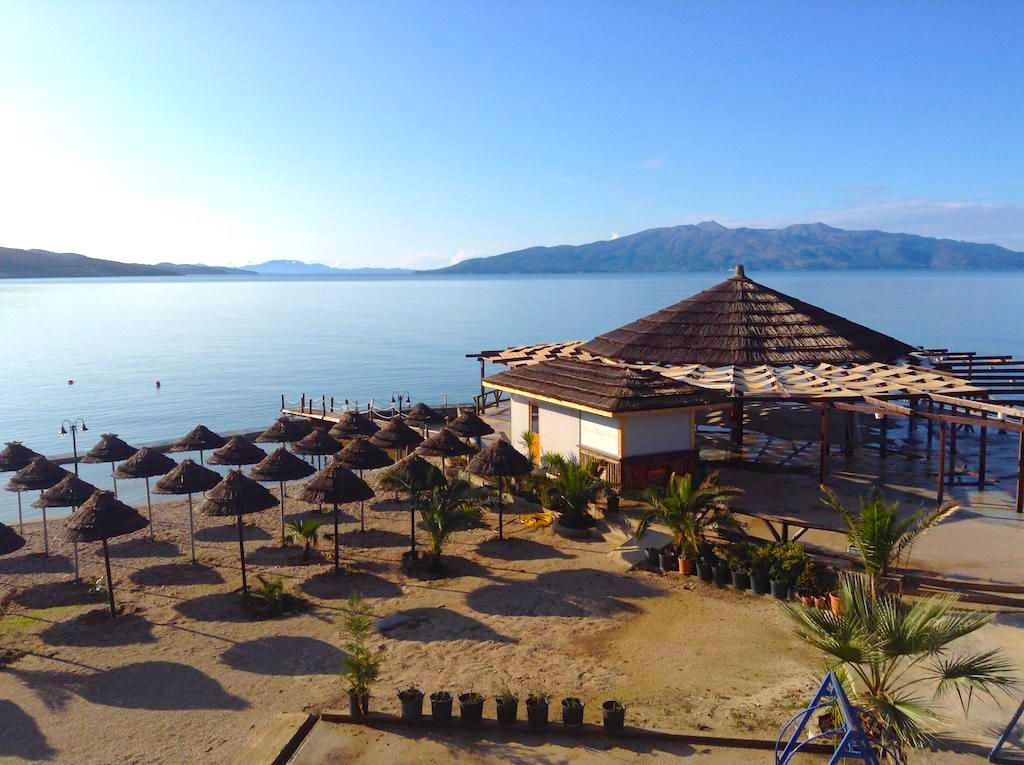
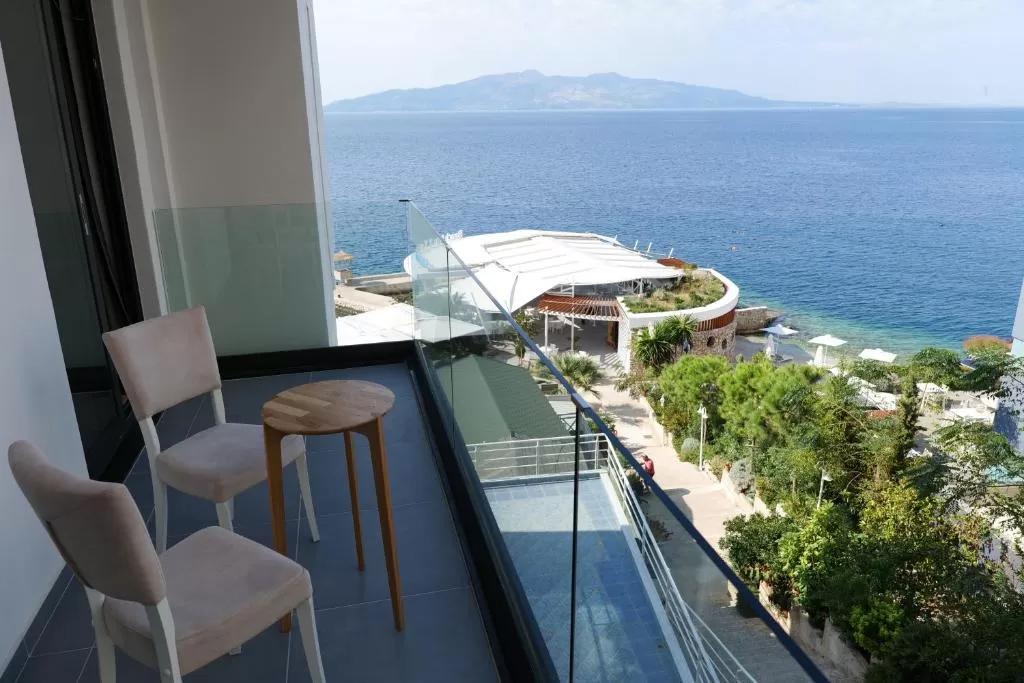
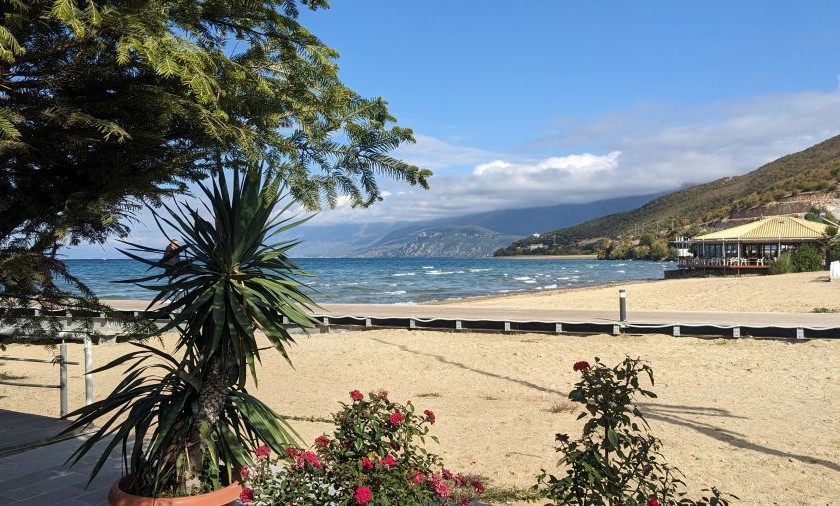
Sarande, Saranda or Sarandë in southern Albania is one of the key tourist destinations on the Albanian Riviera. It is situated on the Ionian Sea in the central Mediterranean about 14 km from Corfu. Overlooking Sarande is 16th C Lekursi Castle. There are excellent views of Corfu and the islands of Ksamil from the castle which was built because the vantage point was ideal for protecting the city from invaders who might have approached by sea.
Nearby are the remains of the ancient city of UNESCO World Heritage city Butrint. Butrint is one of several places in Albania which was closed to the general public during the Communist Era. The city was promoted as a tourist destination for foreigners to visit, but Albanian citizens were not allowed there due to fears that they would try to escape by swimming the short distance to Greece. Within Butrint are remains from most major empires of the area, including Greek, Roman, Byzantine, and Ottoman ruins. It includes a Greek amphitheatre (later remodelled by the Romans), a baptistery, a cathedral, the lion’s gate, and a museum.








.JPG)
%20(2).jpg)
_1.jpg)
.jpg)
-e1781860608559.jpg)
.jpg)
.JPG)
.jpg)
.JPG)
.jpg)